Electronics
How to Change a Two-Prong Outlet to a Three-Prong Outlet: A Simple Guide for Homeowners
On this page
Older homes often still have two-prong outlets. This guide explains why upgrading can improve compatibility and safety, while emphasizing that grounding is what really matters.
Why upgrade
- Three-prong outlets improve compatibility with modern electronics
- Grounding helps reduce shock risk and can protect equipment
- Modern code expectations often favor grounded outlets
Tools and materials
Need the basics for this project? Browse testers, screwdrivers, wire strippers, GFCI outlets, and other common electrical supplies.
Shop Tools and MaterialsA non-contact voltage tester helps confirm power is actually off before you touch any wires.
Check Price on Amazon- Voltage tester
- Screwdriver
- Wire stripper
- Three-prong GFCI outlet
- Ground screw or grounding pigtail if needed
- Ground wire when grounding is available
Basic process
- Turn off the power at the breaker and confirm it with a tester.
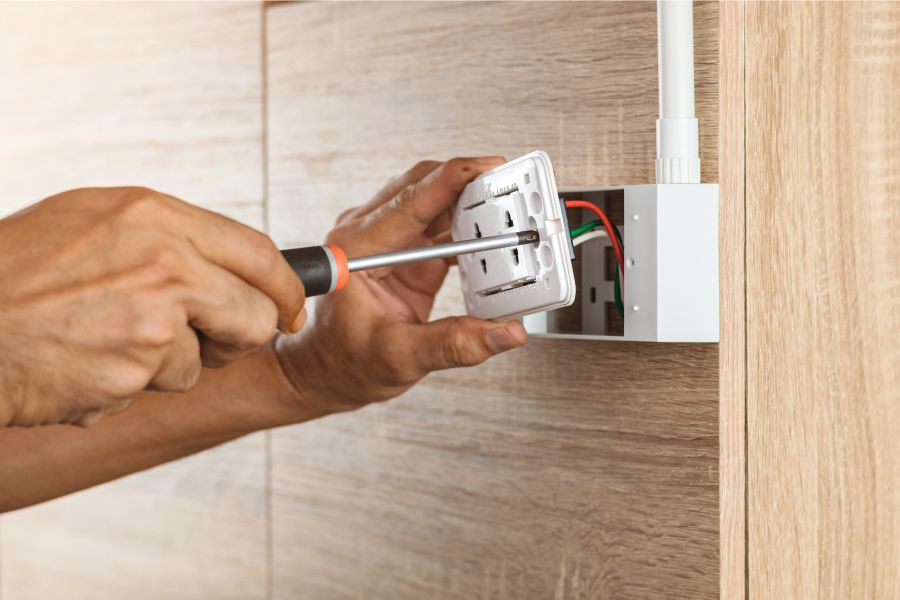
- Remove the old outlet and inspect the wiring.
- Check for a grounding path such as a ground wire or a properly grounded metal box.
- If grounded, wire the new outlet to hot, neutral, and ground.
- If there is no ground, use a GFCI where permitted and label it correctly, or have a new ground run.
- Test the new outlet after restoring power.
Safety note
The original post stresses that electrical work can be dangerous and that local codes may require permits or a licensed electrician.
Frequently asked questions
No. The key issue is grounding, not the faceplate.
A GFCI can be a legal workaround in some situations, but it must be labeled correctly and local code still applies.
Recommended tools
Helpful for making clean, safe wire connections without damaging the conductor.
Check Price on AmazonIf your box is not grounded, a GFCI outlet may be the safer option in some situations.
Check Price on Amazon